The Sustainable Climate Impact Fund (SCIF) has now supported access to safe water for over 300,000 people across projects in Uganda and Rwanda.
This milestone reflects years of collaboration, investment and on-the-ground delivery, working alongside partners including WaterAid, national and district stakeholders and communities themselves.
While the number represents a significant achievement, it also highlights the cumulative impact of sustained, long-term efforts to improve access to safe and reliable water sources.
What this milestone represents
Access to clean water is fundamental to health, wellbeing and opportunity. For the more than 300,000 people reached through SCIF safe water projects, this access means:
- Reduced reliance on unsafe water sources
- Improved health outcomes and reduced waterborne and respiratory diseases
- Less time spent collecting water
- Increased opportunities for education and livelihoods
- Reduced pressure on local forestry resources
In many communities, limited access to safe water meant that households would rely on boiling water to make it safe for consumption. This requires firewood, which is both costly and environmentally unsustainable.
By providing access to safe, clean water at the source, SCIF’s projects help to reduce the need for boiling water, lowering demand for firewood and contributing to the protection of local forests.
This has important environmental benefits, including:
- Reduced deforestation
- Lower carbon emissions associated with wood burning
- Decreased pressure on already vulnerable ecosystems
Across communities where SCIF’s safe water projects are present, this shift contributes to both improved environmental outcomes and long-term climate resilience.
Using the Gold Standard methodology, this reduction in firewood use is estimated to result in approximately 79,000 tonnes CO₂e across projects to date.
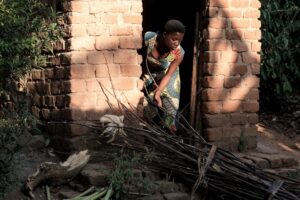
Young person in Kalungu District collecting firewood to boil water before access to safe water was provided through SCIF projects.
Supporting hygiene, education and long-term behaviour change
Access to safe water is only one part of the solution. Ensuring that communities can fully benefit from this access also requires strong hygiene practices, education and long-term behaviour change.
SCIF works with WaterAid to deliver Water, Sanitation and Hygiene (WASH) programmes alongside infrastructure, supporting communities and schools to adopt safe water, sanitation and hygiene practices.
WASH initiatives promote behaviour change through school WASH clubs, training and community engagement, helping to improve hygiene and support the long-term sustainability of water sources.
In Uganda, SCIF-supported programmes focus on community sensitisation and training. Water user committees are supported to set rules, promote hygiene practices and encourage responsible use of water sources, in line with Uganda’s National Framework for Operation and Maintenance of Rural Water Infrastructure.
A trainer-of-trainers approach is also used, with health inspectors and village health teams supporting households through community outreach and door-to-door engagement.
How we reached over 300,000 people
This milestone has not been achieved through a single project, but through a series of initiatives delivered over time across two countries, Uganda and Rwanda, covering four districts and 80 communities.
SCIF’s work in Uganda began in 2023, focusing on the refurbishment of defunct boreholes and water points. These initial projects laid the foundation for a scalable approach to improving water access.
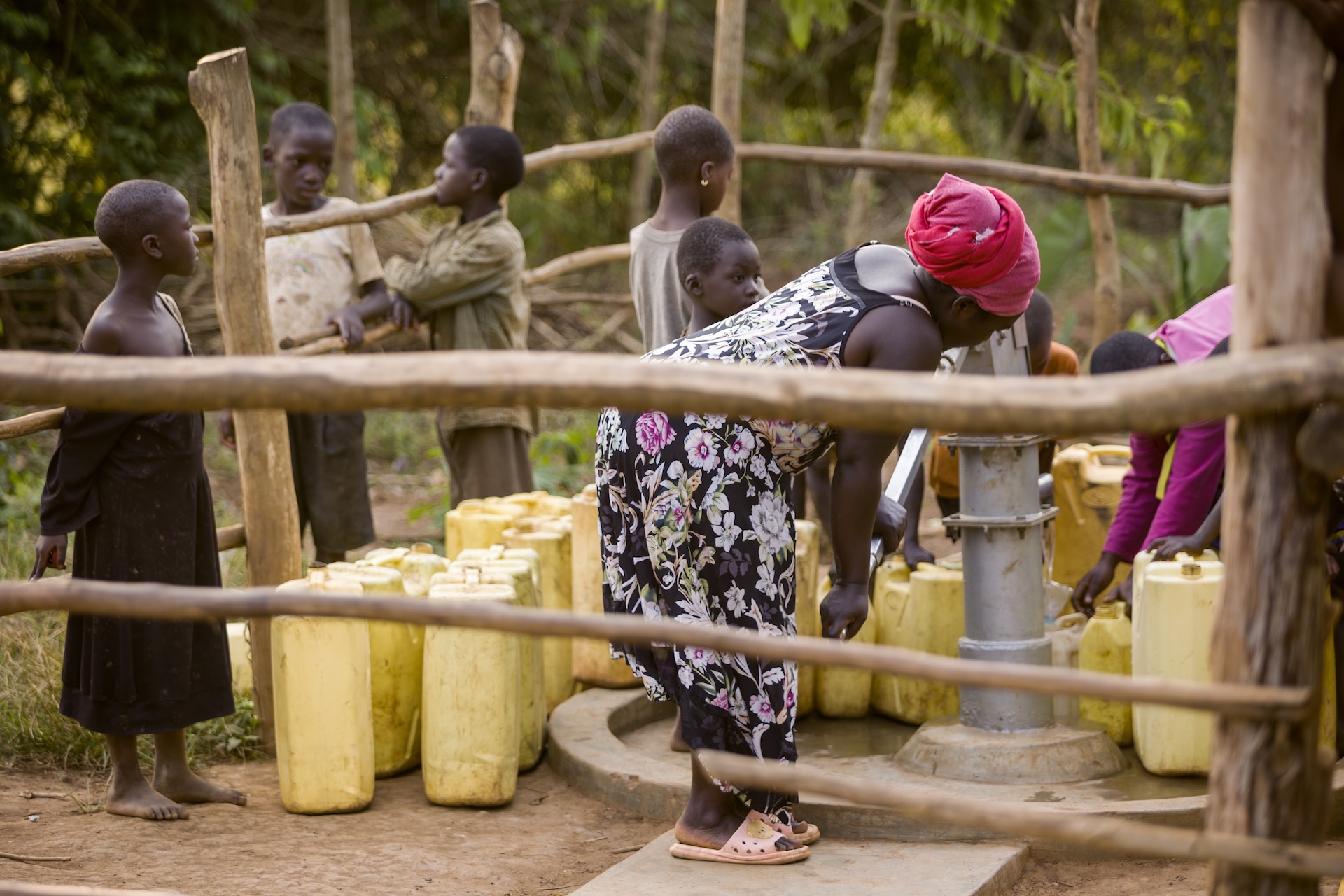
Building on this, SCIF expanded to include Kabarole, supporting the delivery of 69 water points and reaching approximately 200,000 people.
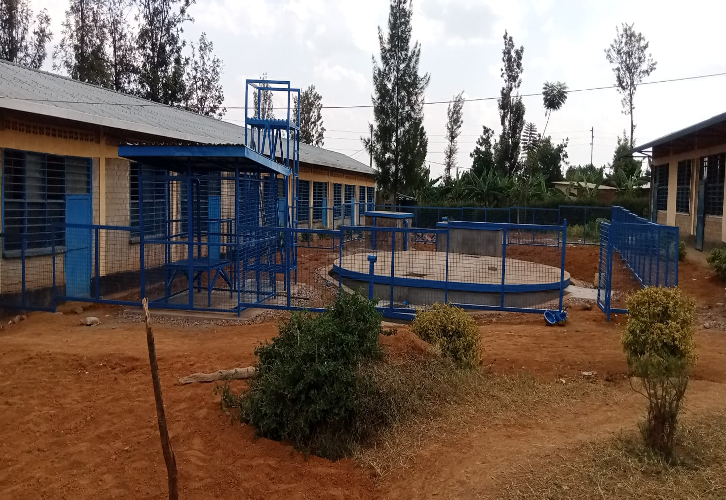
SCIF then expanded into Rwanda, where we began installing rainwater harvesting infrastructure in schools, working to improve access to safe water in Bugesera District. These projects have contributed to reaching 130,000 additional people.
A focus on sustainability, not just delivery

Amutuhire Agnes receiving a Certificate of Attendance from Ola Bankole, Director of Operations at SCIF, after completing a six-day Handpump Mechanic training course.
A key factor in reaching this milestone has been SCIF’s focus on sustainability.
Rather than focusing solely on the installation of infrastructure, SCIF supports a broader approach that includes:
- Training of local handpump mechanics
- Establishment of water user committees
- Community engagement, WASH education and behaviour change programmes linked to environmental conservation and supporting climate change mitigation
- Ongoing monitoring and maintenance systems
This approach helps to ensure that water points remain functional over time, allowing the benefits of each project to extend far beyond initial delivery.
Initiatives, such as the training of handpump mechanics in Kalungu, Lyantonde and Kabarole districts, demonstrate how building local capacity supports long-term impact.
Partnership at the core
Partnership has been central to SCIF’s ability to scale its impact.
By working with organisations such as WaterAid, as well as local authorities and community groups, SCIF ensures that projects are designed and implemented in ways that reflect local needs and priorities.
These partnerships also support knowledge sharing, capacity building and the development of solutions that are both practical and sustainable.
Looking ahead
Reaching over 300,000 people with access to safe water is an important milestone, but it is not the end point.
Significant challenges remain and many communities still lack reliable access to safe water. SCIF remains committed to building on this progress, continuing to support projects that deliver meaningful, sustainable and long-term impact.
Future priorities include:
- Expanding safe water projects within existing districts and into new districts
- Focusing on the use of solar powered, motorised water systems
- Strengthening WASH campaigns across communities, with a focus on carbon reduction and environmental conservation
- Continuing to invest in capacity building and systems strengthening
- Gathering and sharing best practice and impact data to inform policy and support advocacy efforts.
As SCIF moves forward, the focus remains on delivering solutions that are not only impactful, but also resilient, community-driven and built to last.
Related projects.